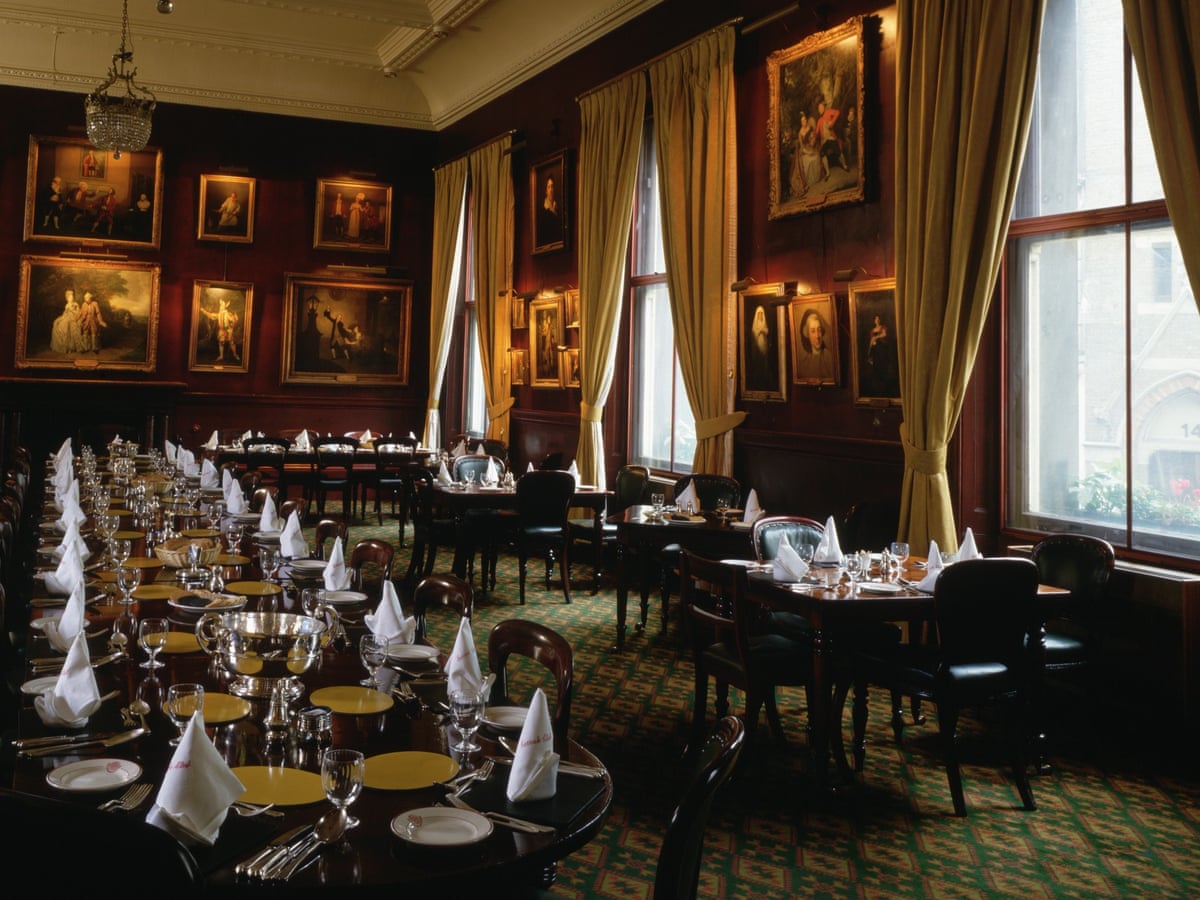
A recent visitor to White’s, the venerable gentlemen’s club housed in 18th century splendour in London’s St James’s, walked up to the bar to find it occupied by three dukes. “It’s the one place in town where they feel totally at home,” he said.
Such encounters are custom-made to reinforce the stereotype of a traditional gentlemen’s club: a place of fusty exclusivity, where elderly gents snooze in leather armchairs beside marble fireplaces, disturbed only by the occasional retainer.
Ranged against modern London’s raucous pleasures, including a new wave of tie-free, wifi-enabled rivals, these relics of 19th century culture would seem doomed to slow decline. Yet not only are they surviving but many are thriving, with membership and usage growing.
“Standards have risen enormously since the 1980s,” said Rupert Lendrum, club secretary at Buck’s in Mayfair. “There’s been a significant shift to professionally run clubs and finances are far healthier.”
Buck’s was dreamt up by cavalry officer Herbert Buckmaster in the trenches of the first world war and opened in 1919. It lends its name to Buck’s Fizz, the champagne-and-orange-juice cocktail its barman concocted in the 1920s, and was regarded by P.G. Wodehouse as the closest approximation to Drones, the fictional club of his comic novels.
Like others of its ilk, it has tweaked its fee structure to ease the economic pressures on its members. Annual fees at most clubs range between £500 and £1,500. But while many charge a lower rate to under-25s, Buck’s has introduced four tiers above that – up to the age of 40 – to help those coming into mortgages or school fees. Others, such as the Athenaeum and the Reform, have seen membership rise after opening their doors to full women members.
Club cuisine, once derided for its resemblance to school dinners, has been widely transformed. Star chefs have redesigned menus and many clubs now employ former restaurateurs and hoteliers. “If you have consistently bad food you will not survive,” said Mr Lendrum. “Corned beef hash is no longer on the menu.”
Many clubs are housed in magnificent listed buildings in the heart of the West End, adding to their allure. But another factor lies below ground. With capacious cellars, their prices are held well below restaurant levels. “Decent champagne, white burgundy and claret at reasonable prices is one of the reasons people like a club,” said another club secretary.
There are subtler reasons for their survival. They may no longer be the nexus of hidden power they were in their heyday but the grandest clubs retain their attraction as unofficial meeting places for influential people. A member of Brooks’s, who asked not to be named, said: “These are places where difficult discussions can take place and discretion will be observed. People seen talking to each other are not going to be reported.”
The pressure on the traditional clubs remains unrelenting nonetheless. This year a string of well-appointed newcomers arrived on the scene, offering immaculate interiors, fine food and extra services the old guard will find it hard to match.
Grace Belgravia, a new women-only private members club (annual fee: £5,500) opened its doors this autumn, boasting luxury spa and wellness services. 5 Hertford Street, created by entrepreneur Robin Birley in Mayfair’s Shepherd’s Market, has filled its membership within six months of opening. Also in Mayfair, Little House this year joined the stable of Soho House clubs set up by Nick Jones. Others include the Hospital Club in Covent Garden and the recently refurbished dining club Morton’s.
The new breed operates by more relaxed rules, particularly on dress, and their visitors are far more diverse and international than the overwhelmingly white, British, male make-up of their Pall Mall or St James’s forebears.
For some, the unstuffy ethos makes all the difference. One London clubman, a member of both traditional and modern clubs, said he had stopped taking business guests to the older venues because of the “awkwardness” of explaining their myriad prohibitions.
“You tell them they have to wear a tie, there’ll be no women and they can’t whip out their mobile or BlackBerry. They think – well, it had better be pretty damn special,” he said.
Most of the older establishments now offer private rooms where meetings may be held or emails sent, but doing business in public is officially frowned upon. Visitors to the Travellers or Athenaeum, for instance, are asked to step into a booth if they want to make a mobile phone call.
For many of their adherents, the appeal of a traditional club remains familiarity and friendship in a restless, turbulent city. David Broadhead, club secretary at the Travellers Club, founded in 1819, said: “There are always people here you can have an easy conversation with – or you don’t have to speak to anyone if you don’t want to. It’s like coming home.”
Comments
Post a Comment